

Washington’s rent stabilization law has now been in effect for more than a year. Here’s what landlords should know about rent caps, exemptions, notice requirements, lease parity, and enforcement under HB 1217.
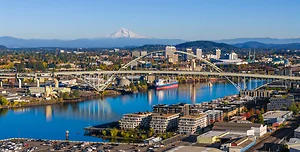
With many of HB 2138's provisions becoming operative on January 1, 2027, here's what developers should know about Oregon's latest legislation to expand middle housing and promote housing availability and affordability.

Washington State’s Fair Chance Act, commonly known as the “Ban the Box” law, was amended in the 2025 legislative session to significantly expand protections for applicants and employees. These new restrictions and requirements apply to Washington-based positions and employees. This blog post details the changes that organizations should be aware of to ensure that their processes remain compliant.
Washington business owners are increasingly being advised by their CPAs to move LLCs out of state for tax planning purposes. If you're considering this step, here are some legal compliance considerations and a general roadmap for the process.

As a commercial tenant, you are held to a higher standard than a residential tenant – there are minimal statutory protections, and the legal policy landscape presumes you are sophisticated, capable of reading and understanding the lease agreement, and represented by competent counsel. The following is a list of items to keep in mind as you are negotiating your Lease.
HB 3746 reforms the process for addressing construction-defect claims. This blog post covers what developers, insurers, homeowners associations, and condominium associations need to know.
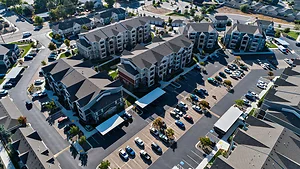
SB 5184 limits local minimum parking requirements for many developments, creating new opportunities to reduce costs and improve project feasibility. This blog post covers what developers should know.

HB 1491 encourages higher-density residential development near transit while offering new incentives for qualifying projects. Here's what developers should know.

HB 2304 expands Washington's alternative warranty framework for certain condominium projects. Here's what that means for developers.

John Lee, one of Summit's Labor and Employment partners, reflects on his experience serving as labor counsel to the Seattle FIFA World Cup 26 Local Organizing Committee (LOC).
About this Blog
Stay current on legal news and issues, and learn more about Summit Law Group's practice groups.
Topics
Archives
Authors
Recent Posts
- Rent Stabilization is Live in Washington: Are Your Rent Increase Notices Compliant?
- Oregon Doubles Down on Middle Housing: What HB 2138 Means for Developers
- Washington's Amended Fair Chance Act Is Live: Are Your Organization's Processes Compliant?
- Moving Your LLC Out of Washington: What Property Owners Should Know
- Negotiating Leases as a Commercial Tenant
- Construction Defect Reform Comes to Oregon: What Developers and HOAs Need to Know
- Washington Limits Parking Requirements: What SB 5184 Means for Developers
- New Development Opportunities Near Transit: What Washington's HB 1491 Means for Developers
- Washington Expands Condo Liability Reform: What Developers Need to Know
- Preparing Seattle for the World Stage: Reflections on the Road to the 2026 FIFA World Cup